

My father, Claude Jr., was born in May 1924 in Middlesboro, Kentucky, a small town cradled in the Cumberland Gap where Virginia, Tennessee, and Kentucky meet. His older sister, Gladys Willene, had come two years earlier in Bell County, and his younger sister, Bonnie Jean, would arrive in 1928 in nearby Harlan. The Massengills had been rooted in these hills since about 1800, descendants of a Daniel Massengill who left Yorkshire, England, for the Carolina colonies in the mid-1600s. By the time Claude Jr. was born, the family line had stretched across Virginia and Tennessee for nearly three centuries.
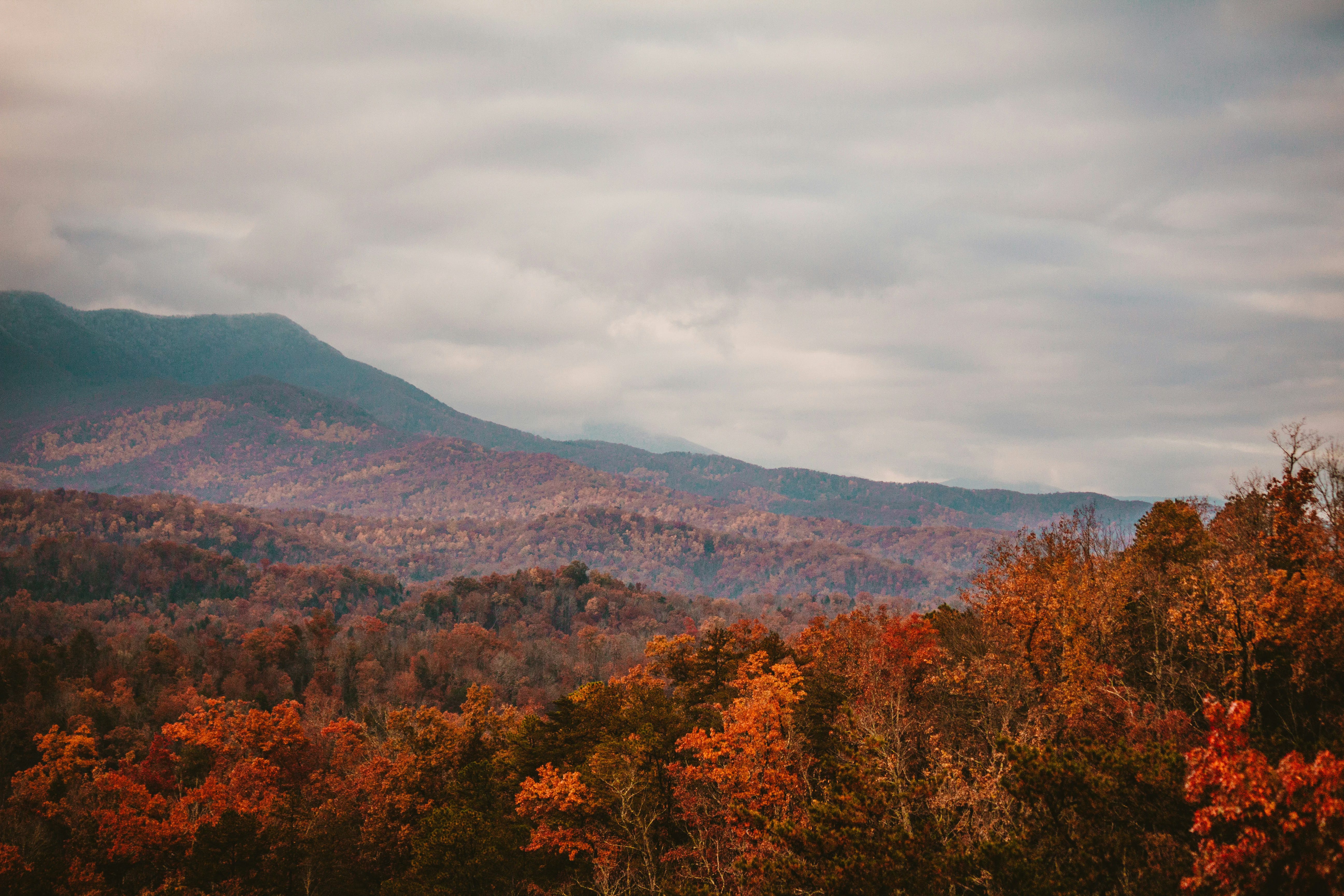
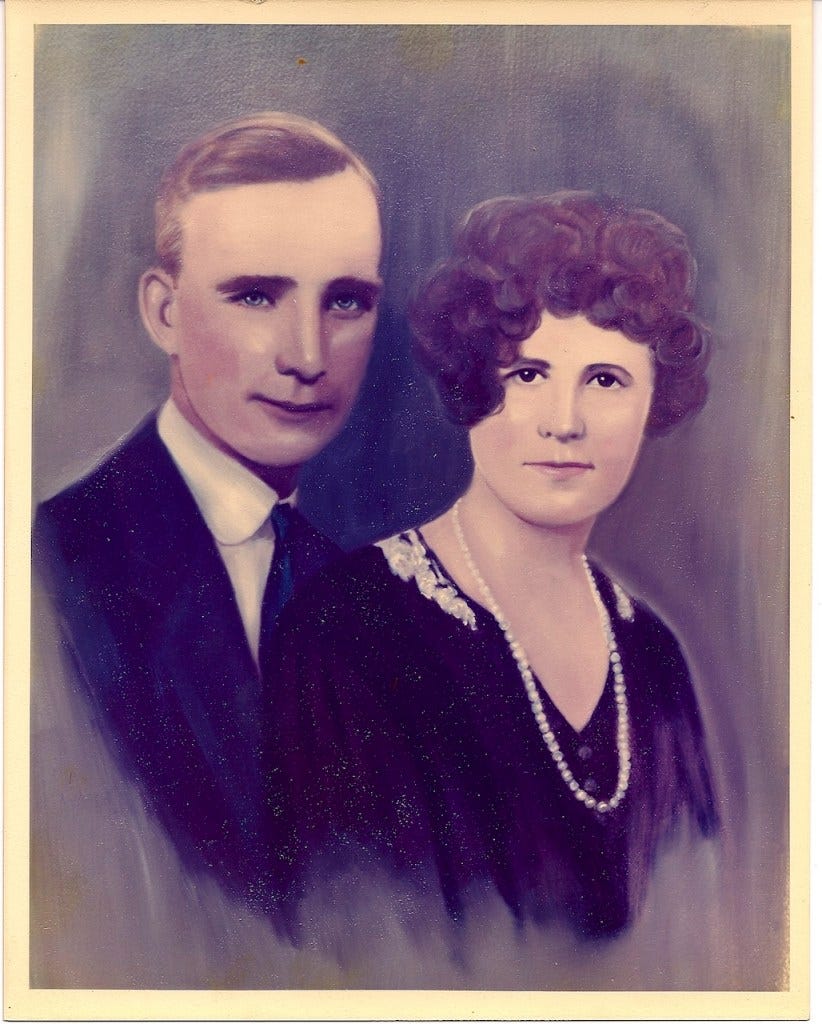
The 1920s were not kind to the Cumberland Gap. Middlesboro was a coal town, and even families like my grandparents, who weren’t miners, felt the industry’s grip. My grandfather, Claude Sr., born in Claiborne County, Tennessee, in 1898, didn’t work underground, but his neighbors did, and the strikes and mine closures meant whole towns could rise or fall in a season. My grandmother, Mossie Rebecca Rowlette, born the same year across the state line in Virginia, kept the household together through those uncertain years.
In 1930, with three children under eight, they joined the tide of Appalachian families heading north. The Depression had deepened, coal markets had collapsed, and jobs in Kentucky were scarce. Monroe, Michigan, promised steadier work — not riches, but survival. Families like theirs often packed what they could into a borrowed truck or boarded a train with suitcases, leaving behind farms and kin who had been in the same valleys for a hundred years. Migration was not just a choice but a lifeline.
In Monroe, my grandfather found work at a lumber yard. It was modest labor — wages in those years averaged twelve to twenty dollars a week, barely enough to cover food and rent for a family of five. To make ends meet, Claude and Mossie managed apartment houses, sometimes living in small rooms within the buildings themselves. It was a common arrangement: landlords offered discounted rent or a small stipend to resident managers willing to handle repairs, rent collection, and tenants’ complaints. My grandmother’s labor in those apartments was as vital to the family’s survival as the paycheck from the lumber yard, though it was rarely recorded in ledgers.
By 1938, their situation had improved. My grandfather had been promoted to yard foreman, a job that carried both steadier wages and a measure of respect. That same year, their son Ron was born, and for the first time they could afford to buy a small house of their own. It was a fragile kind of security, but security nonetheless — a place they owned, not just borrowed.
That purchase was not accidental. Just a few years earlier, in 1934, Franklin Roosevelt’s New Deal had created the Federal Housing Administration. Before the FHA, most mortgages required a 50 percent down payment and repayment in five to ten years — terms that working families could never meet. The FHA transformed homeownership by offering insured loans with lower down payments and longer repayment schedules. Families like mine, who had worked their way from the hills of Kentucky to the industrial edges of Michigan, suddenly found the possibility of owning not just a home but, by the late 1940s, even an apartment building.
It was a ladder built for them, rickety but real. Without the New Deal’s scaffolding — FHA loans, Social Security, the first federal safety nets — the leap from tenant rooms to ownership would likely have remained out of reach. My grandparents climbed that ladder step by step, until by the end of the decade they owned both a larger house and an apartment building of their own.
What strikes me, looking back, is how their story was both ordinary and remarkable. Ordinary, because thousands of families made the same journey from Appalachia to the Midwest, pulled by the same economic forces and pushed by the same scarcity. Remarkable, because each family carried its own burdens and hopes, and because in those lean years, survival was itself a kind of triumph.
If you are interested in the role AI played in this vignette: My Early Days with AI: The Honeymoon Period Part 1