

The day of his birth was nothing special. Long before dawn, the young couple left their married-student apartment and drove the few blocks to Emma L. Bixby Hospital in the small college town of Adrian, Michigan. To them it felt momentous, but to the hospital it was routine; thousands of babies had entered the world there in the past thirty years.
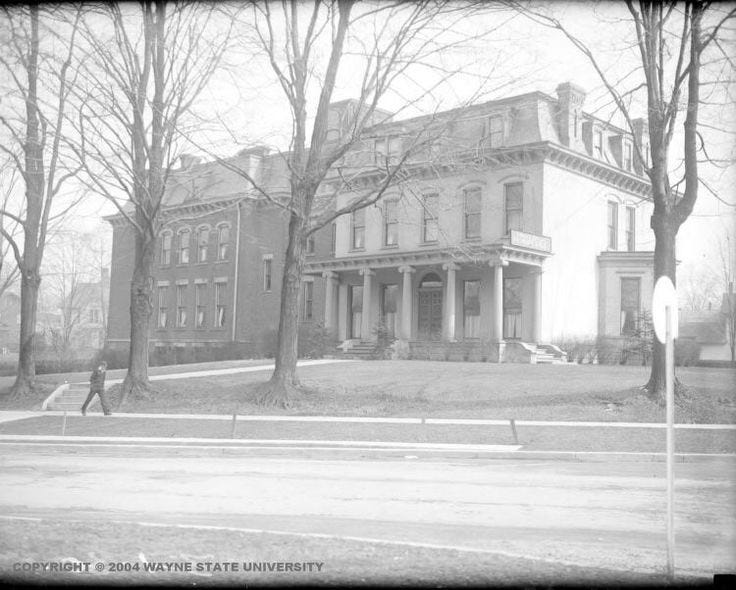
Just a generation earlier, in 1918, nearly every American baby had been born at home, most with the help of a midwife. Only about five percent arrived in hospitals, usually because of the mother’s wealth or complications with her labor. By 1948 the picture had reversed: nine out of ten births now took place in hospitals like Bixby.
So it was that the nervous young couple was reassured by the familiar visage of the columned porch and home-like entrance. They opened the door and were met with the faint, mingled scents of disinfectant and coffee from the staff kitchen.
At the front desk, a nurse in a starched white uniform took the mother’s name and folded her admission card into a ledger book. There were no insurance forms to complete; most families paid directly, sometimes on installments. The mother was led to a narrow labor room. Meanwhile her husband was led down the hallway to a wooden chair where he sat nervously watching the clock and hoping the baby would come before his summer job began at eight. Three hours later he jotted down the hospital’s phone number before leaving for the roofing crew, planning to climb down every hour or so to call for news.
Read the AI Field Note for this vignette: My Early Days With AI, Part 2
When the time came, the family physician appeared in his white coat. He and a nurse worked in the small delivery room, its bright light and enameled table the most modern space in the building. After the baby’s first cry, the doctor noted the details—time, weight, sex—then passed them to the ward clerk. Later she filled in the official birth registration form in the neat, slanted strokes of the Palmer Method cursive that had dominated American classrooms for half a century. The form went by mail to the county registrar, where in due time an embossed certificate would make it official.
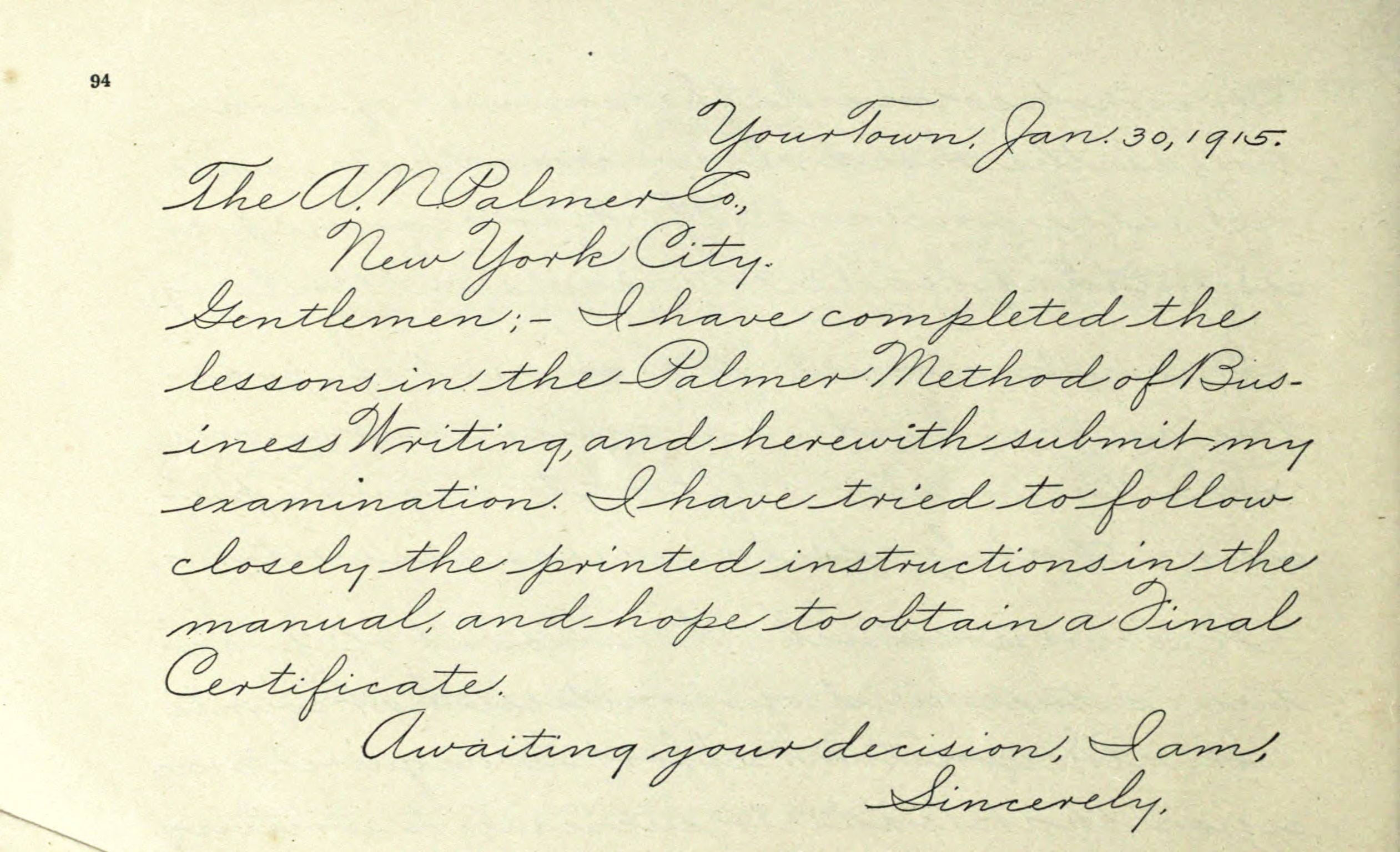
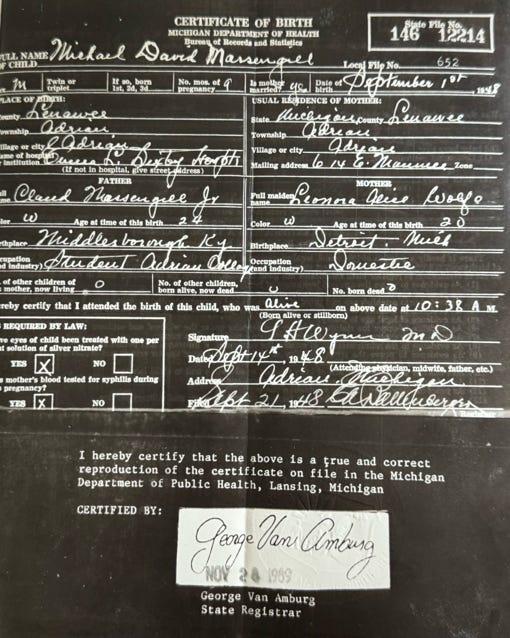
From those documents we know:
The child, a boy, was named Michael David Massengill, born at 10:38 a.m. on Wednesday, September 1, 1948, weighing six pounds, twelve ounces.
His father, Claude Massengill Jr., age 24, was a student at Adrian College. (The boy escaped being dubbed Claude III.)
His mother, Leonora Alice Wolfe, age 20, born in Detroit, had left college when she married and now listed her occupation as “Domestic.”
Back on the ward, Alice rested in a small room. Michael was kept in the nursery, visible through a glass window. Nurses wheeled the infants out in bassinets a few times each day, lining them up like dolls for their mothers to see and hold. Visiting hours were short and strictly observed: fathers and relatives arrived in the evenings, dressed in their Sunday best, peering proudly at the window.
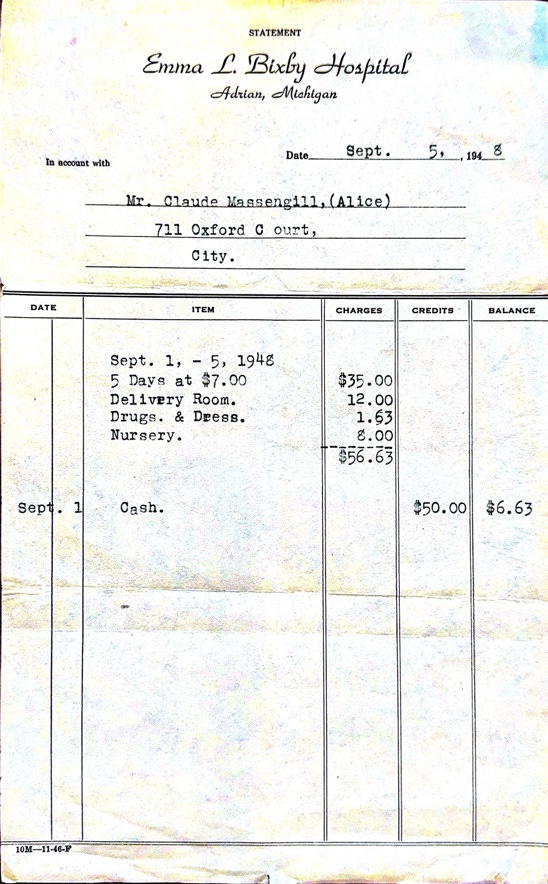
Meals came on metal-domed trays—plain, but hot and filling. Nurses, brisk but kindly, tended both mother and baby. Meanwhile, the ward clerk bundled the week’s birth records, and in a side office the hospital bookkeeper tallied the charges:
Five days in hospital @ $7.00 per day
Delivery room @ $12.00
Drugs and dressings @ $1.63
Nursery @ $8.00
Claude paid $50 in cash the first day, leaving a balance of $6.63 upon discharge. The doctor’s own bill, handwritten on letterhead or perhaps even a prescription pad, would arrive later. In all, the hospital stay cost $56.63—about $759 in today’s dollars, or roughly two weeks’ wages for a young laborer.
On the day of discharge, Alice was wheeled out and helped into the car, the infant in her arms wrapped in a soft blanket. There were no car seats then. They drove the short distance home with only a receipt and their memories.
No one took pictures during my first five days. In 1948, that was perfectly normal: cameras were clunky, film was precious, and hospitals discouraged them. Instead of snapshots, my early existence was documented on printed forms and typed bills. The record of my entry into the world began not in photographs, but in paperwork—a quiet testament to a different kind of memory.
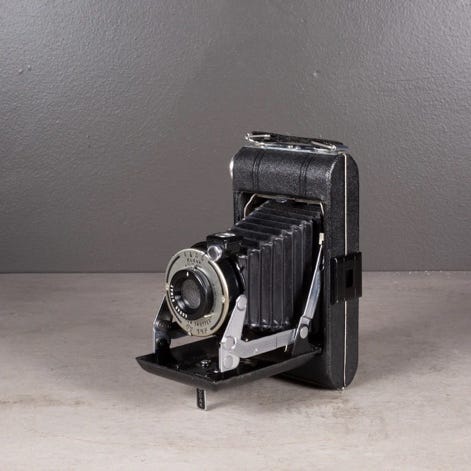
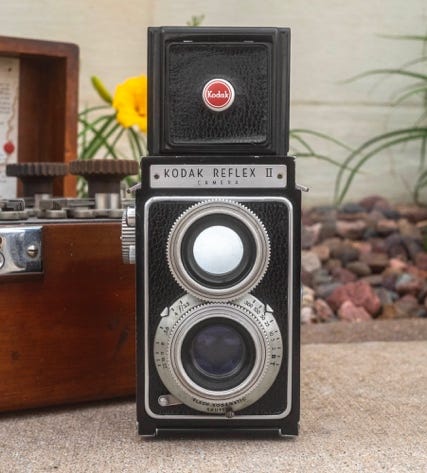
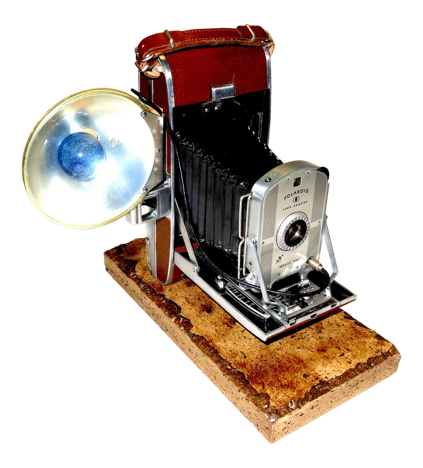
Left to Right: Kodak Reflex II (Twin Lens Reflex) – A higher-end but still accessible model in 1948; Kodak Vigilante Junior Six-20 Folding Camera – Elegant Art Deco style; Early Polaroid Land Camera (circa 1948) – “Instant” photographs in about a minute, finally eliminating the wait for film development. A game-changer, but not yet commonplace.
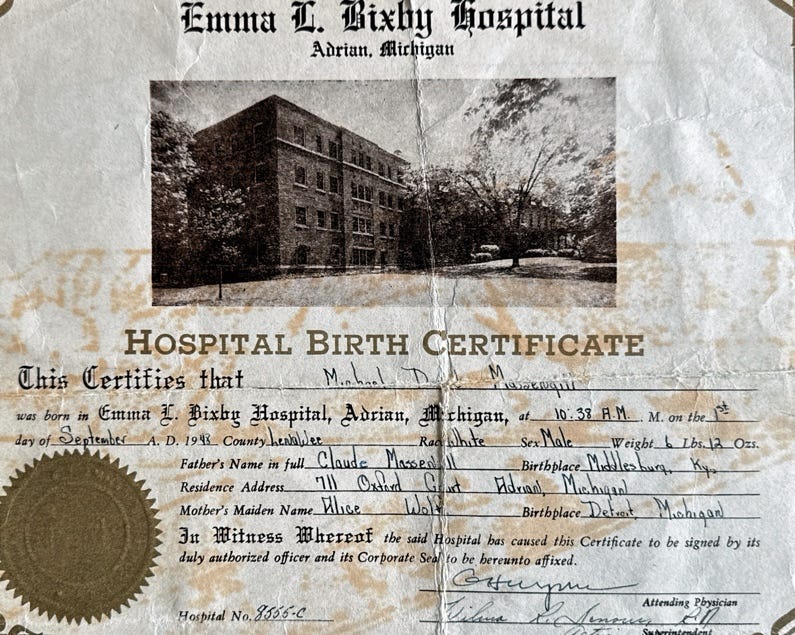
Weeks later the embossed birth certificate would arrive in the mail, a permanent record of an ordinary birth to an ordinary couple. Alice, whose marriage and motherhood were a much-traveled off-ramp from the route to college degree and career, would settle into her role and routine. As the birth record attested, she would spend her life as a “domestic”– a wife, a mother, a homemaker. Claude, recently a 20-year-old soldier and currently a college student compliments of Uncle Sam and his GI Bill, would soon be a teacher and a coach and eventually a school principal.
To his parents, Michael, the first of four children, may have seemed extraordinary. Yet he was in fact merely one of 76 million babies that would be born in the U.S. between 1946 and 1964. And it is also a fact that the story of his life has been an ordinary one, possibly of interest to a few people. At least family. Maybe.
But what if remembering the ordinary lives Americans lived throughout the past century was important—especially now, when those in power try to erase our national memory? They destroy records, outlaw the teaching of inconvenient truths, ban books, tear down institutions. My first days were recorded in documents, in writing. I keep them because sometimes you need to assert the facts. Nearing the end of my life, I’m stunned to realize how much of our national story could vanish, unless those who lived it and remember it tell the stories that can preserve it.
My life began on an ordinary September day in 1948. If there is anything extraordinary about my story, it is not me–it is the times in which I lived.
Read the AI Field Note for this vignette: My Early Days With AI, Part 2